

Mount Kilimanjaro National Park
Overview
Mount Kilimanjaro is not just Africa's highest mountain but one of the world's most iconic peaks - a free-standing volcano that rises dramatically from the Tanzanian plains to 5,895 meters (19,341 feet), its snow-capped summit visible for hundreds of kilometers. This is the world's highest free-standing mountain and one of the Seven Summits, yet uniquely, it can be climbed without technical mountaineering skills, making the "Roof of Africa" accessible to determined trekkers worldwide.
The mountain is actually a massive stratovolcano with three distinct volcanic cones: Kibo (the highest and youngest), Mawenzi (5,149m, jagged and dramatic), and Shira (3,962m, the oldest and most eroded). Kibo's Uhuru Peak is the ultimate goal - standing there at sunrise, above the clouds with glaciers surrounding you and all of Africa spread below, is a life-changing experience that hundreds of thousands have undertaken.
What makes Kilimanjaro extraordinary beyond its height is the journey through five distinct climatic zones, each with unique ecosystems. You begin in cultivated farmland and montane forest rich with colobus monkeys, blue monkeys, and diverse birdlife. Ascending, you enter the heath and moorland zone with giant heathers and otherworldly giant lobelias and groundsels - plants found nowhere else on Earth. Higher still is the alpine desert, a stark, barren landscape of volcanic rock and sparse vegetation. Finally, the arctic zone near the summit, where glaciers cling to the crater rim despite climate change threats.
The park covers 1,688 square kilometers, though the actual climbing routes traverse a fraction of this. Seven official routes lead to the summit, each offering different experiences, difficulty levels, and success rates. The Marangu Route (the "Coca-Cola Route") is most popular with hut accommodation. Machame Route ("Whiskey Route") is scenic and challenging with higher success rates. Lemosho and Rongai routes are longer, more remote, and offer better acclimatization. The Umbwe Route is shortest but steepest with lower success rates.
Kilimanjaro is not technically difficult - there's no rock climbing or specialized equipment needed. However, the altitude makes it extremely challenging. The thin air at summit elevation contains roughly half the oxygen of sea level, and altitude sickness affects many climbers regardless of fitness. Success rates vary by route and duration, ranging from 45-90%, with longer routes (7-9 days) having significantly better success rates due to proper acclimatization.
The mountain's glaciers and ice fields, immortalized in Hemingway's "The Snows of Kilimanjaro," are retreating rapidly due to climate change. Scientists predict they may disappear within decades, adding urgency to climbing this iconic peak while its white cap still glistens against the African sky.
Wildlife in the lower forests includes elephants, buffalo, leopards, and various antelope, though animal sightings are incidental to the climbing experience. The park's primary purpose is protecting the mountain ecosystem and enabling sustainable tourism through regulated climbing.
Climbing Kilimanjaro requires careful preparation: choosing the right route and duration (longer is better for acclimatization), hiring reputable operators with proper equipment and experienced guides, physical training before arrival, and understanding altitude challenges. The climb typically takes 5-9 days depending on route, with summit attempts starting around midnight to reach Uhuru Peak for sunrise.
The experience is transformative but demanding. Climbers face extreme temperature variations (from tropical heat to sub-zero summit temperatures), physical exhaustion, altitude effects, and mental challenges. Yet standing on the summit, certificate in hand, having pushed through barriers and achieved something remarkable - that moment is worth every difficult step.
Mount Kilimanjaro attracts everyone from experienced mountaineers checking off a Seven Summit to first-time trekkers fulfilling bucket-list dreams, from young adventurers to retirees proving age is just a number. It's a mountain that demands respect but rewards determination with one of the world's great adventure experiences and the achievement of standing atop Africa.
Wildlife Highlights
Five Climate Zones
Journey through rainforest, moorland, alpine desert, and arctic zones - experience multiple worlds in one climb with unique flora each zone
Retreating Glaciers
Witness the famous but vanishing glaciers and ice fields on Kibo's crater rim - a climate change indicator disappearing within decades
Giant Prehistoric Plants
Otherworldly giant lobelias and groundsels in moorland zone - bizarre plants that evolved uniquely on Africa's high mountains
Forest Wildlife
Colobus monkeys, blue monkeys, elephants, buffalo, and leopards in lower montane forests (sightings incidental to climbing)
Best Time to Visit
Peak Season
January - February, June - October
Driest months with clearest skies and best summit success rates. January-February offers warmer temperatures and fewer climbers after holidays. June-October is most popular with excellent conditions but more crowded trails especially July-September. Clear weather provides spectacular views and better summit day visibility. Less rain means drier trails and more comfortable camping. Summit temperatures still extreme (minus 15-20°C) but conditions generally stable. Glaciers most visible and photogenic. Higher success rates due to favorable weather. Book operators 6-12 months in advance especially for August-September. Premium pricing during these peak windows but worth it for better success probability.
Green Season
March - May, November - December
Rainy seasons present more challenges but also opportunities. March-May (long rains) is wettest and most difficult - trails muddy, clouds obscure views, summit conditions harsh. Not recommended for first-time high-altitude trekkers. November-December (short rains) more manageable with afternoon showers but generally passable conditions. Significantly fewer climbers creating more solitude and pristine wilderness experience. Dramatically lower operator prices (30-50% discounts possible). Lush vegetation and waterfalls spectacular. For experienced trekkers comfortable with challenging conditions, rewards include savings, solitude, and accomplishment under tougher circumstances. Success rates lower but achievable with proper preparation and longer routes.
Activities & Experiences
Summit Climb via Multiple Routes
Trek 5-9 days through diverse ecosystems to Uhuru Peak at 5,895m - choose from seven routes with varying difficulty and scenery
Crater Camp Experience
Optional extra night camping inside Kibo's crater near glaciers (extremely challenging due to altitude over 5,700m)
Day Hikes & Acclimatization
Shorter treks to first camps or specific destinations for those not attempting summit or acclimatization preparation
Photography Expedition
Capture glaciers, stunning landscapes across climate zones, sunrise from summit, and unique high-altitude flora
Cultural Visits
Visit Chagga villages and coffee farms nearby.
Forest Walks
Explore the lush base trails with wildlife.
Quick Information
Plan Your Visit
Start planning your Mount Kilimanjaro National Park safari adventure with our expert team.
Book Now Contact UsClimate
Share This Destination
Gallery
Experience the beauty of Mount Kilimanjaro National Park through stunning imagery


What to Expect
Essential information to help you prepare for your Mount Kilimanjaro National Park adventure
Scenery & Adventure
Experience & Accessibility
Frequently Asked Questions
Common questions about visiting Mount Kilimanjaro National Park
No technical mountaineering experience is required - Kilimanjaro is a non-technical trek meaning no rock climbing, ropes, ice axes, or specialized skills needed. It's essentially steep hiking to extreme altitude. However, this doesn't mean it's easy. What you do need: Good physical fitness with regular cardiovascular exercise (hiking, running, cycling) for 3-6 months before; mental determination as altitude affects everyone regardless of fitness; proper gear including warm clothing for summit night; and realistic expectations about challenges. The real challenge is altitude - at 5,895m, oxygen is half that of sea level causing headaches, nausea, fatigue, and potentially dangerous altitude sickness. Success depends more on acclimatization than fitness. Many underestimate difficulty assuming fitness alone ensures success - approximately 45-65% of climbers don't reach the summit, primarily due to altitude sickness. Choose longer routes (7-9 days) for better acclimatization, listen to your body, and accept that turning back if necessary is the smart decision. First-time high-altitude trekkers successfully summit regularly, but respect the mountain and prepare properly.
Route choice significantly impacts success rates, experience, and cost. Recommended routes for first-timers: Machame (6-7 days) - most popular camping route, scenic, good acclimatization profile, 65-75% success rate. Lemosho (7-8 days) - longer, more remote, spectacular scenery, highest success rates (80-90%), more expensive. Rongai (6-7 days) - approaches from north, less crowded, drier conditions, good for experiencing different side. Not recommended for first-timers: Marangu - despite being most popular, 5-day standard itinerary has lowest success rates (45-55%) due to poor acclimatization; Umbwe - steepest, most direct, very challenging. Duration is critical: Every extra day improves success rates by allowing better acclimatization. 7-8 day routes have 80%+ success rates versus 45-60% for 5-6 day routes. The math is simple: Extra days cost more but dramatically increase summit chances - better to pay extra and succeed than save money and fail. Most experienced guides recommend Lemosho 8-day or Machame 7-day for optimal experience and success.
Guided climbs are very safe — professional guides monitor altitude sickness and ensure proper pacing and hydration.
You Might Also Like
Explore other amazing destinations in Tanzania

Zanzibar Island
Where turquoise waters meet ancient Stone Town, and pristine beaches blend with centuries of Swahili culture
Zanzibar isn't just a beach destination - it's a place where history comes alive. The main island, Unguja, stretches 85 …
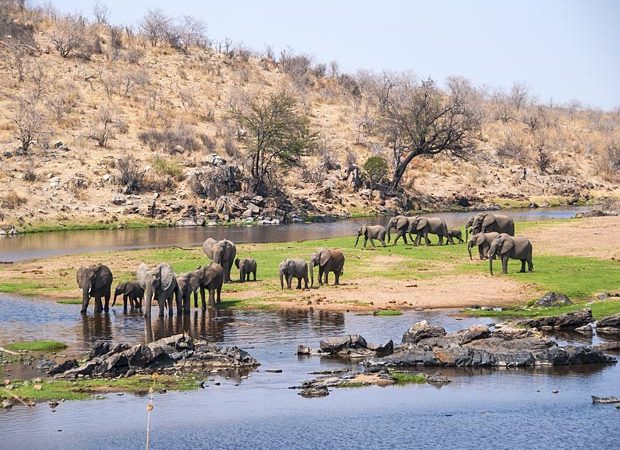
Ruaha National Park
East Africa's largest protected area where massive elephant herds roam free and 10% of the world's lions call home
Ruaha is Tanzania's best-kept secret and its largest national park, stretching across 20,226 square kilometers of raw, untamed wilderness. This …

Tarangire National Park
Experience Tanzania's secret gem - a land of massive elephant herds, iconic baobab trees, and the Tarangire River teeming with wildlife in one of Africa's most underrated safari destinations
Tarangire National Park is Tanzania's magnificent hidden treasure - a 2,850 square kilometer wilderness that rivals the Serengeti for wildlife …