
Lake Nakuru National Park
Overview
Lake Nakuru National Park is one of Kenya's most spectacular wildlife destinations, a compact 188 square kilometer sanctuary that packs incredible biodiversity into a relatively small area. Centered around the shallow, alkaline Lake Nakuru in the heart of the Great Rift Valley, this park offers some of the most dramatic wildlife spectacles in Africa.
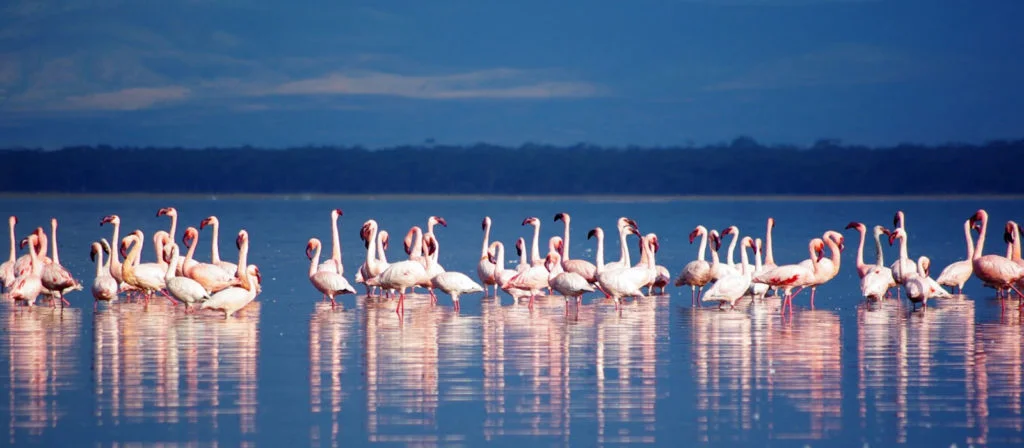
The park's claim to fame has long been its flamingos - at peak times, up to two million lesser and greater flamingos transform the lake's shores into a vibrant pink carpet, creating one of the world's most breathtaking ornithological sights. While flamingo numbers fluctuate with water levels and algae availability, when present, they create scenes of unparalleled natural beauty that photographers dream about.
But Lake Nakuru is far more than just flamingos. The park is a critical sanctuary for both black and white rhinos, boasting one of the largest concentrations of these endangered species in Kenya. Your chances of encountering rhinos here are exceptionally high, making it a must-visit for those seeking these magnificent prehistoric-looking creatures.
The park's diverse habitats - from the lake itself to surrounding grasslands, rocky cliffs, acacia woodlands, and euphorbia forests - support an impressive array of wildlife. Lions are frequently spotted here, and uniquely, some have developed the habit of climbing trees, a behavior more commonly associated with their counterparts in Tanzania's Lake Manyara. Leopards also prowl the rocky escarpments, though they're more elusive.
The park's landscape is dramatic and varied. Baboon Cliff offers panoramic viewpoints where you can gaze across the entire lake and surrounding escarpment. The southern area features stunning waterfalls at Makalia, while the rocky northern cliffs provide habitat for klipspringers and hyrax. The diversity of ecosystems within such a compact area makes every game drive productive and visually stunning.
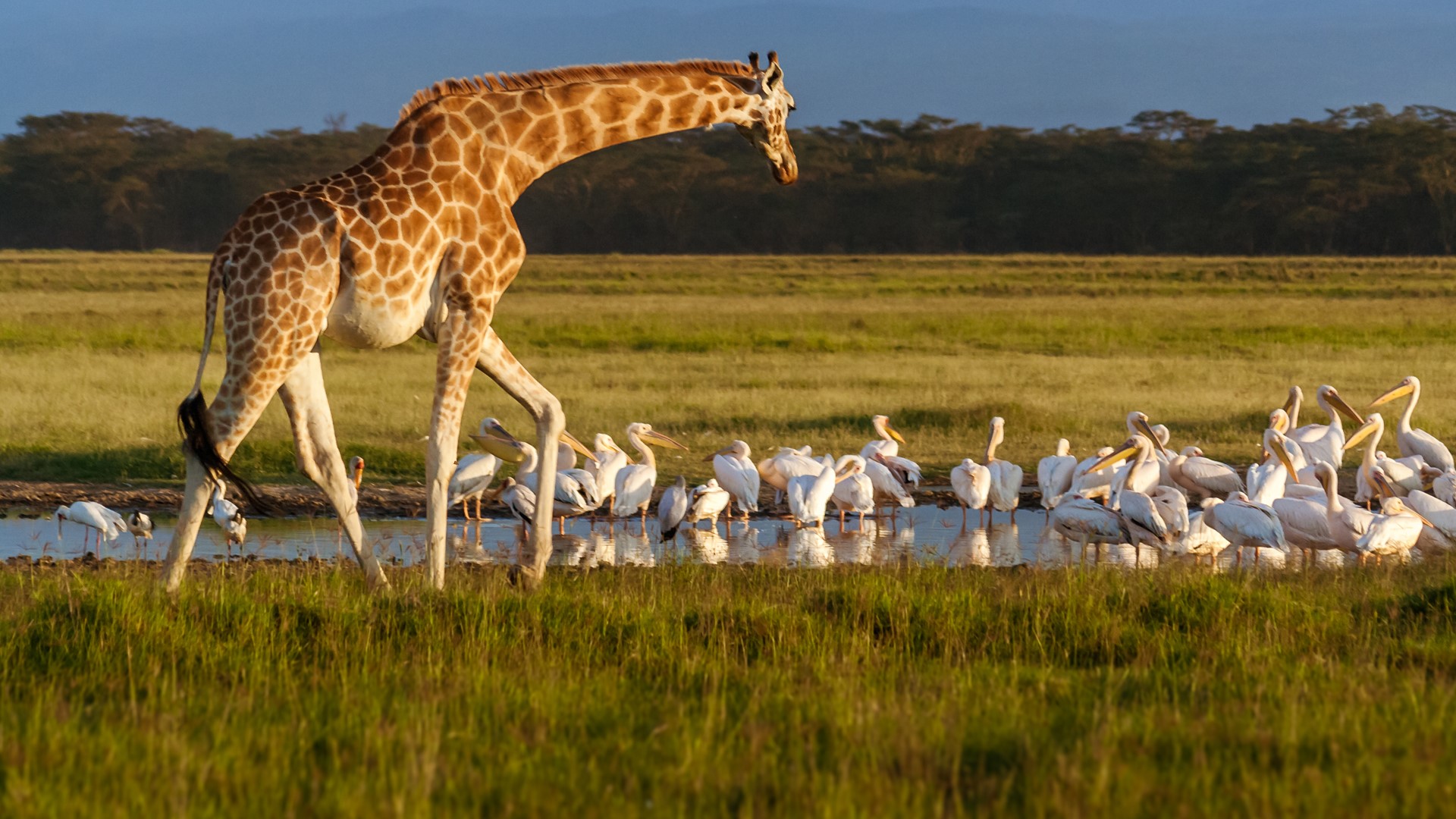
Lake Nakuru has an interesting history - it was established in 1961 as a bird sanctuary and later expanded to protect rhinos. Today it's a UNESCO World Heritage Site as part of the Kenya Lake System, recognized for its exceptional biodiversity and ecological importance. The park serves as a vital refuge not just for rhinos but for Rothschild giraffes, which were introduced here and have thrived.
Easily accessible from Nairobi and often combined with nearby Lake Naivasha or the Maasai Mara, Lake Nakuru offers a perfect blend of spectacular scenery, diverse wildlife, and the romance of the Great Rift Valley.
Wildlife Highlights
Rhino Sanctuary
One of Kenya's best places to see both black and white rhinos - the park protects over 100 rhinos in a safe haven
Flamingo Spectacle
Up to two million flamingos create a stunning pink carpet on the lake when conditions are right - an unforgettable sight
Tree-Climbing Lions
Resident lion prides including rare tree-climbing lions - watch them lounging in acacia branches during hot afternoons
Rothschild Giraffes
Endangered Rothschild giraffe subspecies thrive here - distinguished by their lighter color and no markings below the knees
Birdwatching Paradise
Paradise for birders - pelicans, cormorants, kingfishers, fish eagles, and migratory species beyond the famous flamingos
Best Time to Visit
Peak Season
July - March
Dry seasons offer excellent wildlife viewing with animals concentrated around water sources. Clear skies perfect for photography and scenic viewpoints. Flamingo numbers often peak during these months when lake conditions are optimal. Rhino sightings are excellent year-round but vegetation is shorter making them easier to spot.
Green Season
April - June
Park transforms into emerald paradise with lush vegetation and dramatic skies. Newborn animals and active birdlife including breeding colonies. Fewer tourists mean more intimate wildlife encounters. Afternoon showers create stunning rainbows over the lake. Lower accommodation rates and excellent value.
Activities & Experiences
Game Drives
Excellent road network for morning and afternoon drives through diverse habitats with high wildlife encounter rates
Baboon Cliff Viewpoint
Climb to this spectacular viewpoint for panoramic vistas of the entire lake, flamingo masses, and Rift Valley escarpment
Rhino Tracking
Dedicated drives to locate and observe both black and white rhinos in their natural habitat with expert guides
Bird Watching
World-class birding around the lake shores, woodlands, and cliffs - bring binoculars for over 450 species
Photography Safari
Exceptional photography opportunities from flamingo flocks to rhinos, lions, and dramatic Rift Valley landscapes
Makalia Falls Visit
Scenic drive to the southern section to see beautiful waterfalls cascading through forested ravines
Quick Information
Plan Your Visit
Start planning your Lake Nakuru National Park safari adventure with our expert team.
Book Now Contact UsClimate
Share This Destination
Gallery
Experience the beauty of Lake Nakuru National Park through stunning imagery



What to Expect
Essential information to help you prepare for your Lake Nakuru National Park adventure
Wildlife & Nature
Experience & Comfort
Frequently Asked Questions
Common questions about visiting Lake Nakuru National Park
Self-drive safaris are permitted at Lake Nakuru National Park, and the road network is well-maintained and easy to navigate. However, hiring a knowledgeable guide is highly recommended, especially for first-time visitors. Guides know where animals are likely to be found, can identify bird species, share fascinating wildlife behavior insights, and ensure you don't miss key viewpoints like Baboon Cliff. Many lodges offer guided game drives as part of their packages, which often provide better wildlife spotting and photography opportunities.
One to two days is ideal for experiencing Lake Nakuru's highlights, including multiple game drives and visiting viewpoints. The compact size means you can see a lot in a short time. Lake Nakuru combines perfectly with other destinations: it's often paired with Lake Naivasha (1 hour away) for a 2-3 day circuit, or included in longer itineraries heading to the Maasai Mara (4-5 hours away). Many travelers visit as a day trip from Nairobi (2.5-3 hours), though staying overnight allows for dawn and dusk game drives when wildlife activity peaks.
No, flamingo numbers fluctuate significantly depending on water levels and algae availability in the lake. While Lake Nakuru was historically famous for hosting millions of flamingos, they now move between Rift Valley lakes (Nakuru, Bogoria, Elementaita) based on feeding conditions. Rising water levels in recent years have sometimes reduced algae concentration, causing flamingos to relocate temporarily. However, when present, the spectacle is absolutely breathtaking. Even without flamingos, the park offers exceptional wildlife viewing with rhinos, lions, giraffes, and over 450 other bird species, making it worthwhile year-round.
Your chances are excellent! Lake Nakuru is one of the best places in Kenya to see both black and white rhinos. The park protects over 100 rhinos in a fenced sanctuary, and the compact size means you're likely to encounter multiple rhinos during a game drive. Both species are frequently spotted grazing in open grasslands or resting in the shade. Morning game drives typically offer the best sightings. The park's rhino conservation success story is one of Kenya's proudest wildlife achievements.
You Might Also Like
Explore other amazing destinations in Kenya

Maasai Mara National Reserve
Experience the legendary Great Migration, encounter the Big Five, and immerse yourself in Africa's most iconic safari destination where endless golden plains meet dramatic skies
The Maasai Mara is the crown jewel of African safaris - a place where dreams of wild Africa come alive …

Tsavo West National Park
Discover a land of dramatic contrasts - volcanic landscapes, underground rivers, and pristine springs where hippos glide beneath your feet in Kenya's most scenic wilderness
Tsavo West is Kenya's park of dramatic contrasts and geological wonders. Covering 9,065 square kilometers, it's slightly smaller than its …

Meru National Park
Where Elsa the Lioness roamed free, and untamed wilderness meets the most authentic safari experience in Kenya
Meru National Park is Kenya's best-kept secret - a true wilderness that time forgot. Covering 870 square kilometers of pristine …