

Tsavo West National Park
Overview
Tsavo West is Kenya's park of dramatic contrasts and geological wonders. Covering 9,065 square kilometers, it's slightly smaller than its sister park Tsavo East, but what it offers is scenery so diverse and spectacular that many consider it Kenya's most beautiful protected area. This is where raw volcanic landscapes meet lush spring-fed oases, creating a safari experience unlike any other.
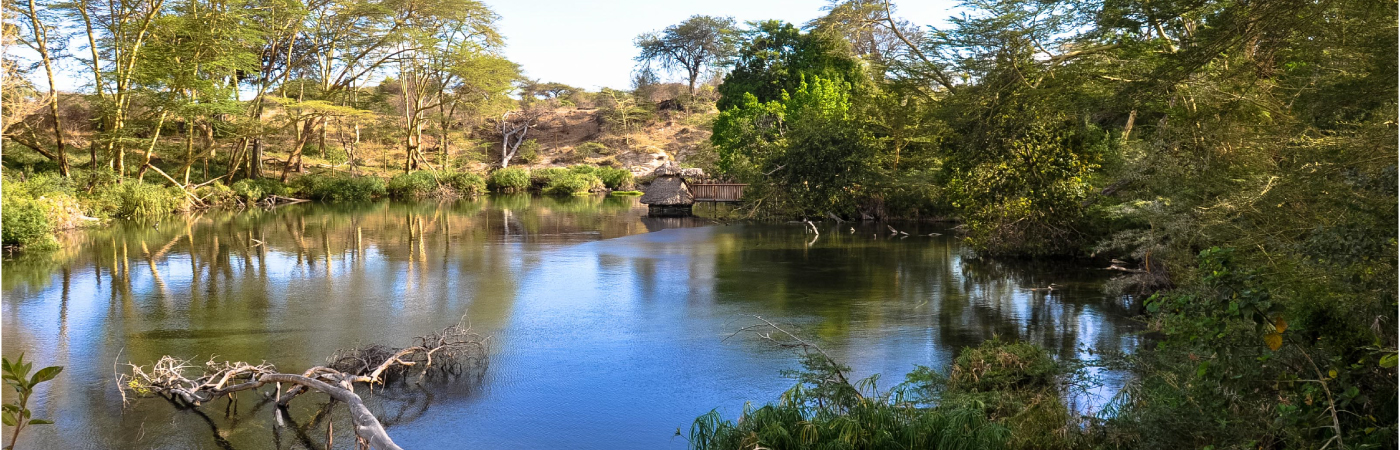
The park's most famous attraction is Mzima Springs - a series of crystal-clear natural springs that produce 250 million liters of fresh water daily, fed by underground rivers flowing from the Chyulu Hills' porous volcanic rocks. What makes Mzima truly magical is the underwater viewing chamber where you can descend below the surface to watch hippos and crocodiles gliding gracefully in gin-clear water - a surreal and unforgettable experience found nowhere else in Kenya.
Tsavo West's landscape tells a volcanic story millions of years in the making. The Shetani lava flow, a dramatic black scar across the golden grasslands, was formed just 200 years ago - recent in geological terms. Walking across this otherworldly terrain feels like exploring another planet. The Chaimu Crater rises majestically from the plains, while the Ngulia Hills and Ngulia Rhino Sanctuary add mountainous drama to the scenery.
The topography here is far more varied than Tsavo East - rolling hills, rocky outcrops, dense acacia woodlands, open savannah, riverine forests, and volcanic cones create a patchwork of habitats. This diversity supports incredible wildlife, though the denser vegetation can make spotting animals more challenging and rewarding when you do.
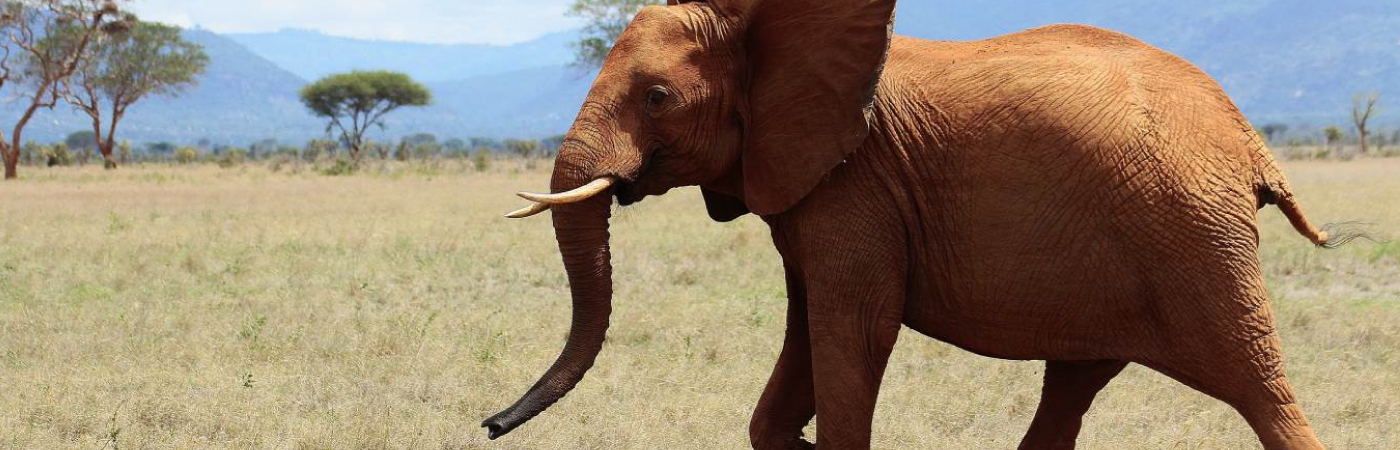
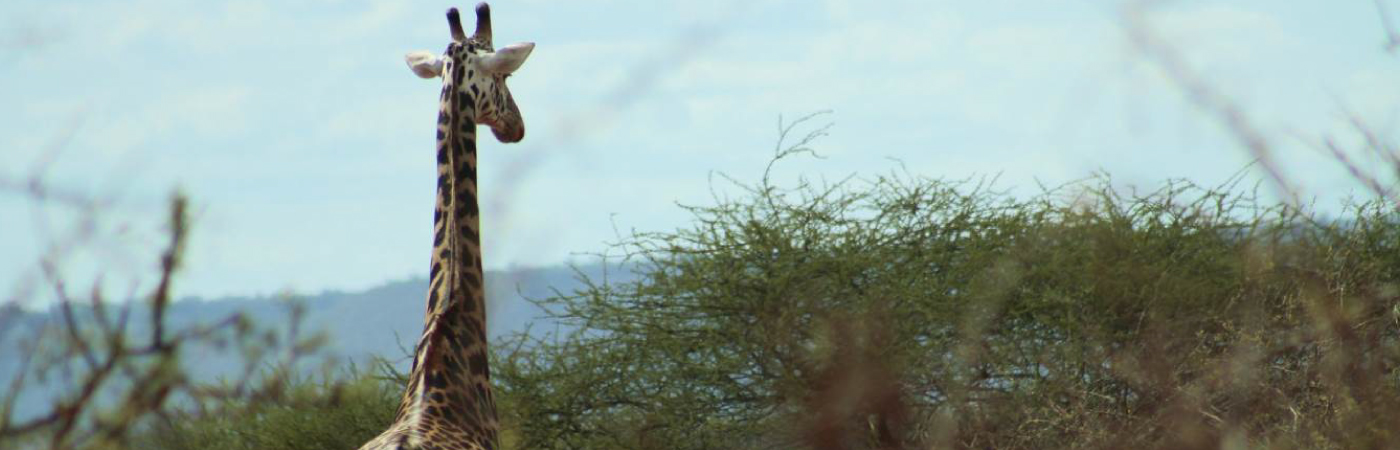
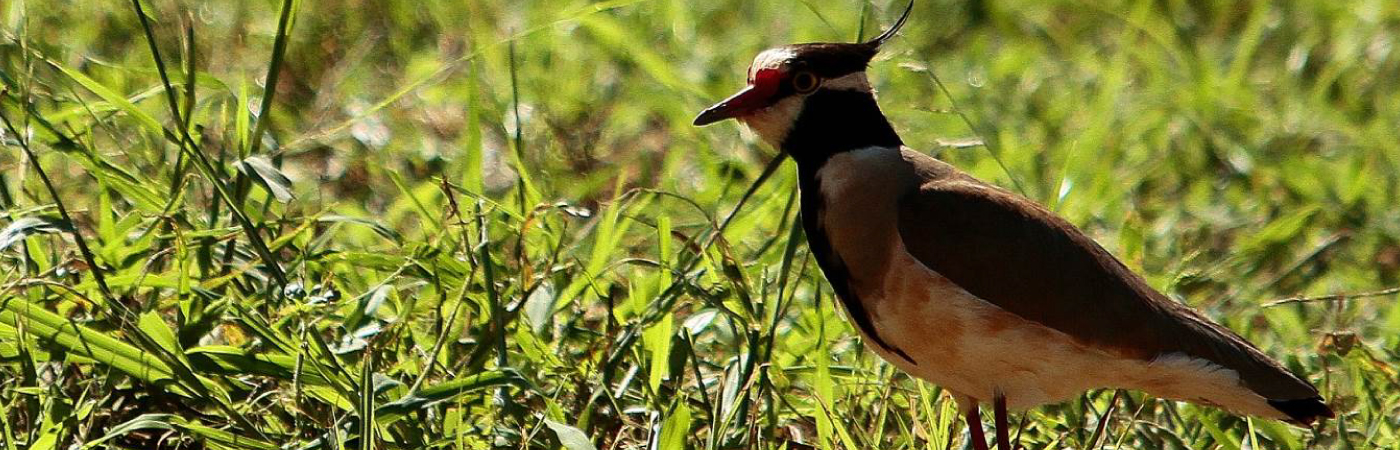
Wildlife in Tsavo West includes all the major species - elephants (also with the characteristic red dust), buffalo, lions, leopards, cheetahs, giraffes, zebras, and diverse antelope. The Ngulia Rhino Sanctuary is home to critically endangered black rhinos in a fenced, protected area - your best chance to see these magnificent creatures in Tsavo. The park is also famous for bird migration, with millions of birds passing through the Ngulia area annually.
The park has excellent infrastructure with a well-maintained road network, particularly around the main tourist circuit including Mzima Springs, Shetani, and Poacher's Lookout viewpoint. The scenery here is incredibly photogenic - every turn reveals dramatic vistas that make even the drives between wildlife sightings spectacular.
Tsavo West's location makes it incredibly versatile - easily combined with Tsavo East for a comprehensive Tsavo experience, accessible as a stopover between Nairobi and the coast, or paired with Amboseli for a southern Kenya circuit. The park feels more intimate than the vast expanses of Tsavo East, yet still maintains that sense of wild, untamed Africa.
For photographers, geology enthusiasts, and those who appreciate dramatic landscapes alongside wildlife, Tsavo West is exceptional. It's a park where the land itself tells stories as captivating as the animals that inhabit it.
Wildlife Highlights
Black Rhino Sanctuary
Ngulia Rhino Sanctuary protects critically endangered black rhinos in a 90 sq km fenced haven - excellent sighting opportunities with guides
Mzima Springs
Crystal-clear waters home to hippos, crocodiles, and fish
Shetani Lava Flow
A vast field of black lava rock formed centuries ago
Big Five Encounters
Lions, elephants, leopards, buffaloes, and rhinos thrive here
Best Time to Visit
Peak Season
June - October, January - February
Dry seasons offer excellent wildlife viewing as animals concentrate around permanent water sources like Mzima Springs. Clear skies perfect for photography of dramatic landscapes and volcanic features. Thinner vegetation improves visibility for spotting wildlife in the bush. Comfortable temperatures for walking activities at Shetani and crater viewpoints. Rhino tracking is most productive. This is ideal time for first-time visitors wanting reliable wildlife encounters and spectacular scenery.
Green Season
March - May, November - December
Rains transform the volcanic landscape into lush paradise with wildflowers blooming across lava flows creating surreal contrasts. Peak bird migration through Ngulia Hills with millions of birds passing through - birders' paradise. Mzima Springs at their most spectacular with maximum water flow. Newborn animals everywhere with increased predator activity. Dramatic storm clouds and rainbows over volcanic cones create exceptional photography. Fewer tourists mean intimate wildlife encounters and significantly lower rates. Roads generally remain accessible on main tourist circuit.
Activities & Experiences
Mzima Springs Exploration
Visit the crystal-clear springs, walk nature trails through palms and fig trees, and use underwater viewing chamber to watch hippos
Game Drives
Morning and afternoon drives through diverse habitats from volcanic landscapes to acacia woodlands with excellent wildlife encounters
Shetani Lava Flow Walk
Walk across dramatic black volcanic lava flows formed just 200 years ago - an otherworldly geological experience
Rhino Tracking
Specialized guided drives in Ngulia Rhino Sanctuary for close encounters with critically endangered black rhinos
Chaimu Crater Viewpoint
Climb to the rim of this extinct volcanic crater for spectacular panoramic views across the park and surrounding wilderness
Poacher's Lookout
Visit this historic viewpoint for sweeping vistas and spot wildlife at waterholes below - excellent for photography
Quick Information
Plan Your Visit
Start planning your Tsavo West National Park safari adventure with our expert team.
Book Now Contact UsClimate
Share This Destination
Gallery
Experience the beauty of Tsavo West National Park through stunning imagery
What to Expect
Essential information to help you prepare for your Tsavo West National Park adventure
Nature & Wildlife
Adventure & Experience
Frequently Asked Questions
Common questions about visiting Tsavo West National Park
Tsavo West is renowned for its Mzima Springs, Shetani Lava Flow, and diverse landscapes, blending volcanic rock, rolling hills, and lush oases.
Yes, you can walk on the Shetani lava flows, and it's a fascinating experience. "Shetani" means "devil" in Swahili - local Maasai believed the volcanic eruption was the work of evil spirits emerging from the earth. The flows were formed approximately 200-500 years ago (recent in geological terms) when lava erupted from vents in the Chyulu Hills and flowed across the landscape, creating the dramatic black rock formations you see today. The lava is rough, jagged, and otherworldly - walking across it feels like exploring an alien planet. You can see different lava formations including pahoehoe (smooth, ropy) and aa (rough, chunky) types. The contrast between black lava and golden grasslands is spectacular for photography. Guides can explain the volcanic processes and point out where lava tubes formed. Wear sturdy shoes as the sharp volcanic rock can damage footwear. It's an accessible geological wonder that adds unique diversity to your safari.
Yes. Tsavo West is home to the full Big Five, including the elusive black rhino in the Ngulia Rhino Sanctuary.
You Might Also Like
Explore other amazing destinations in Kenya
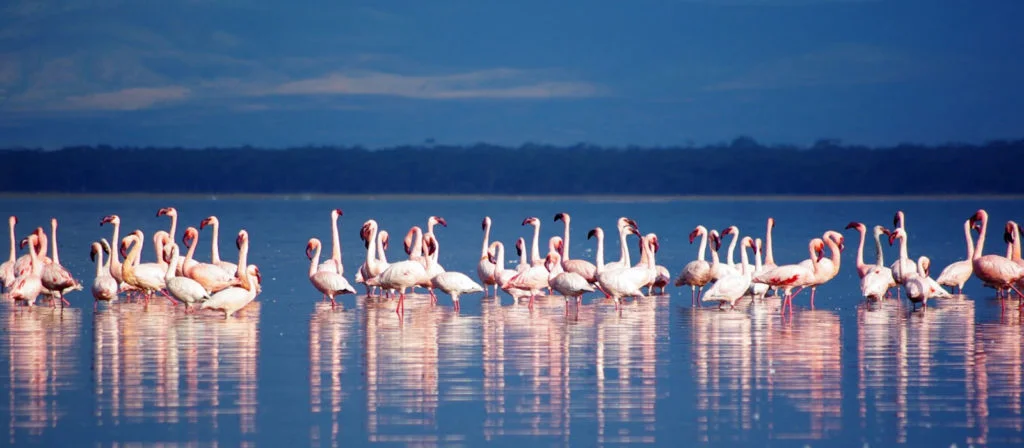
Lake Nakuru National Park
Witness millions of flamingos paint the lake pink, track endangered rhinos, and encounter tree-climbing lions in this spectacular Rift Valley sanctuary
Lake Nakuru National Park is one of Kenya's most spectacular wildlife destinations, a compact 188 square kilometer sanctuary that packs …

Meru National Park
Where Elsa the Lioness roamed free, and untamed wilderness meets the most authentic safari experience in Kenya
Meru National Park is Kenya's best-kept secret - a true wilderness that time forgot. Covering 870 square kilometers of pristine …

Hell's Gate National Park
Cycle past zebras, climb volcanic towers, and explore dramatic gorges - Kenya's only park where you walk with the wild
Hell's Gate is unlike any park you've ever experienced in Kenya. This is where you actually get out of the …