

Ngorongoro Conservation Area
Overview
The Ngorongoro Crater is one of Africa's most extraordinary natural wonders - a place so spectacular it defies adequate description. This massive volcanic caldera, formed when a giant volcano exploded and collapsed on itself some 2-3 million years ago, creates the world's largest intact volcanic crater at 610 meters deep and 260 square kilometers of crater floor. It's often called "Africa's Garden of Eden," and standing on the rim gazing down at this natural amphitheater teeming with wildlife, you understand why.
The Ngorongoro Conservation Area extends far beyond the famous crater, covering 8,292 square kilometers that include multiple volcanic craters, vast plains, forests, and archaeological sites. But it's the main crater that draws visitors from around the world - this UNESCO World Heritage Site is simply unique. The crater's high walls create a natural enclosure where wildlife lives in remarkable density and diversity, making it one of the world's most reliable places to see the Big Five in a single day.
Approximately 25,000 large animals inhabit the crater floor year-round - they don't need to migrate because the permanent springs and diverse habitats provide everything necessary for survival. This concentration creates game viewing that's almost unmatched anywhere in Africa. On any given day, you can see massive herds of wildebeest, zebras, and gazelles grazing the plains, buffalo wallowing in swamps, hippos in pools, elephants (mostly old bulls with huge tusks), and the highest density of predators in Africa.
The crater is one of the few places in Tanzania where you have excellent chances of seeing the critically endangered black rhino. Around 30 individuals roam the crater floor, and patient searching often rewards visitors with sightings of these prehistoric-looking creatures grazing in the open - an increasingly rare sight anywhere in Africa.
Lions are abundant in the crater - the population fluctuates but usually numbers 60-70 individuals. Competition for territory is fierce, leading to frequent pride battles and dramatic social dynamics that researchers have studied for decades. Cheetahs patrol the grasslands, though their numbers are lower than lions. Leopards hide in the forested areas and are harder to spot. Spotted hyenas, in massive clans numbering hundreds, are major predators here and often steal kills from lions.
The crater floor encompasses diverse habitats creating the ecosystem's richness. Lake Magadi, a shallow alkaline lake, attracts thousands of flamingos when conditions are right, creating pink carpets against the crater walls. The Lerai Forest, with its yellow fever trees and acacias, provides shade for elephants and harbors elusive leopards. The Gorigor Swamp supports hippos and waterbuck. Open grasslands dominate the central floor where the great herbivore herds concentrate.
Beyond the main crater, the conservation area holds other treasures. Olmoti Crater offers beautiful hiking, Empakaai Crater contains a deep lake perfect for adventurous trekkers, and the surrounding highlands provide stunning landscapes and Maasai cultural encounters. The area is unique in Tanzania as it allows human habitation - Maasai pastoralists live within the conservation area, grazing their cattle alongside wildlife as they have for centuries.
The Olduvai Gorge, within the conservation area, is one of the world's most important paleoanthropological sites. Called the "Cradle of Mankind," excavations here have revealed some of the earliest human ancestor fossils, fundamentally changing our understanding of human evolution.
Weather in Ngorongoro is notably cooler than lowland parks due to altitude (crater rim sits at 2,400 meters). Mornings can be cold and misty, with clouds often clinging to the crater rim creating mystical atmospheres. The descent into the crater each morning feels like entering a lost world.
There are limitations - visitor numbers are controlled, you must be accompanied by a guide, and there's a maximum 6-hour stay on the crater floor to minimize impact. But these restrictions preserve the crater's pristine nature. The experience of descending 610 meters down the crater wall, spending a day among this incredible wildlife concentration, then ascending back to the rim as the sun sets is simply unforgettable. The Ngorongoro Crater isn't just a safari destination - it's one of the natural wonders of the world that every wildlife enthusiast should experience.
Wildlife Highlights
Black Rhino Sanctuary
round 30 critically endangered black rhinos on crater floor - one of your best chances in Tanzania to see these magnificent creatures
Big Five in One Day
One of the world's most reliable places to see all Big Five in a single game drive - exceptional lion, leopard, elephant, buffalo, and rhino populations
Massive Lion Pride Dynamics
60-70 lions in various prides creating intense territorial competition and fascinating social dynamics studied for decades
Huge Elephant Bulls
Mostly massive old males with impressive tusks - crater's mineralized soil promotes exceptional tusk growth
Best Time to Visit
Peak Season
June - October, January - February
Dry seasons offer the clearest views from crater rim with minimal cloud cover revealing full spectacle of crater floor below. Wildlife concentrated around remaining water sources making game viewing exceptional and Big Five sightings very likely. Comfortable temperatures for full-day crater floor drives though mornings on rim can be quite cold (bring layers). This is best time for photography with clear air, dramatic lighting, and animals against crater wall backdrops. Flamingo numbers on Lake Magadi can be high. Roads in excellent condition for the steep crater descent. Peak tourist season means more vehicles on crater floor (maximum 40 allowed simultaneously). Book rim lodges well in advance. Despite crowds, the crater's size means it rarely feels overcrowded. Wildlife viewing quality superb.
Green Season
November - May
Rains transform crater into verdant paradise with lush grasslands, wildflowers, and dramatic storm clouds creating spectacular photographic conditions. November-March sees newborn animals of many species with predators highly active. Flamingo populations often peak during wet season when Lake Magadi fills. Significantly fewer tourists creating more exclusive crater experiences. Migratory birds arrive swelling the 500+ species count. Crater rim often shrouded in mystical mist and clouds (bring warm clothes). Lower accommodation rates offer excellent value. Some dirt roads can be muddy but main crater descent road remains accessible. The combination of lush scenery, baby animals, dramatic skies, and fewer vehicles appeals to photographers and those seeking authentic wilderness. Wildlife viewing remains excellent as animals don't leave the crater regardless of season.
Activities & Experiences
Crater Floor Game Drive
Full-day safari descending 610m into the crater for extraordinary wildlife viewing in this natural amphitheater with Big Five encounters
Crater Rim Viewpoints
Visit spectacular viewpoints on crater rim for breathtaking panoramas of the entire crater floor, best at sunrise and sunset
Olduvai Gorge Visit
Explore the "Cradle of Mankind" archaeological site where some of earliest human ancestor fossils were discovered
Empakaai Crater Hiking
Trek to this stunning crater containing a deep blue lake surrounded by forest - challenging but rewarding adventure
Maasai Cultural Experiences
Visit traditional Maasai villages in the conservation area to learn about pastoralist lifestyle coexisting with wildlife
Picnic Lunch by Hippo Pool
Enjoy packed lunch at designated picnic sites on crater floor overlooking hippo pools with incredible wildlife activity
Quick Information
Plan Your Visit
Start planning your Ngorongoro Conservation Area safari adventure with our expert team.
Book Now Contact UsClimate
Share This Destination
Gallery
Experience the beauty of Ngorongoro Conservation Area through stunning imagery


What to Expect
Essential information to help you prepare for your Ngorongoro Conservation Area adventure
Wildlife & Scenery
Experience & Relaxation
Where to Stay in Ngorongoro Conservation Area
Experience world-class hospitality at these handpicked luxury properties

Ngorongoro Serena Safari Lodge
Frequently Asked Questions
Common questions about visiting Ngorongoro Conservation Area
Absolutely. The Maasai still live and graze cattle within the conservation area, offering authentic cultural interactions.
The 6-hour limit (strictly enforced) protects the fragile crater ecosystem from overuse and ensures wildlife isn't disturbed by too many vehicles for extended periods. To maximize your crater experience: Start early (6-7am descent) to catch active morning wildlife behavior and have better light before midday heat. Carry comprehensive picnic lunch as you'll eat on crater floor at designated hippo pool sites (incredible experience). Hire experienced guide/driver familiar with crater layout and radio networks for locating rare species. Don't rush - the 6 hours feels sufficient given the compact area and high wildlife density. Focus on quality sightings rather than racing around. Bring binoculars, camera with telephoto lens, layers (cold at dawn, hot by midday), and dust protection. The 6-hour window typically provides 20+ major sightings including multiple predators and hopefully all Big Five. Many consider one perfect day in the crater more satisfying than multiple days in larger parks.
Yes, Ngorongoro Crater offers one of the world's highest probabilities of seeing all Big Five in a single day - many visitors accomplish this. Lions are virtually guaranteed with 60-70 on crater floor and often visible on kills or resting. Elephants (mostly old bulls) are common near Lerai Forest. Buffalo are everywhere in large herds. Black rhinos require more patience but around 30 individuals roam the crater, and patient searching with experienced guides often produces sightings - your best Tanzania rhino opportunity. Leopards are the trickiest, hiding in forested Lerai area, but still more visible here than many parks. With a full 6-hour crater floor visit (the maximum allowed) and knowledgeable guide using radio networks to locate animals, seeing all five is very realistic, though leopard sightings are never guaranteed. Even without leopards, the wildlife concentration is extraordinary - you'll see more animals in one day than many parks offer in a week.
You Might Also Like
Explore other amazing destinations in Tanzania

Tarangire National Park
Experience Tanzania's secret gem - a land of massive elephant herds, iconic baobab trees, and the Tarangire River teeming with wildlife in one of Africa's most underrated safari destinations
Tarangire National Park is Tanzania's magnificent hidden treasure - a 2,850 square kilometer wilderness that rivals the Serengeti for wildlife …

Lake Manyara National Park
Discover a compact gem where dramatic Rift Valley escarpments meet a soda lake teeming with flamingos, and legendary tree-climbing lions rest in ancient fig trees
Lake Manyara National Park may be small at just 330 square kilometers, but it punches far above its weight in …
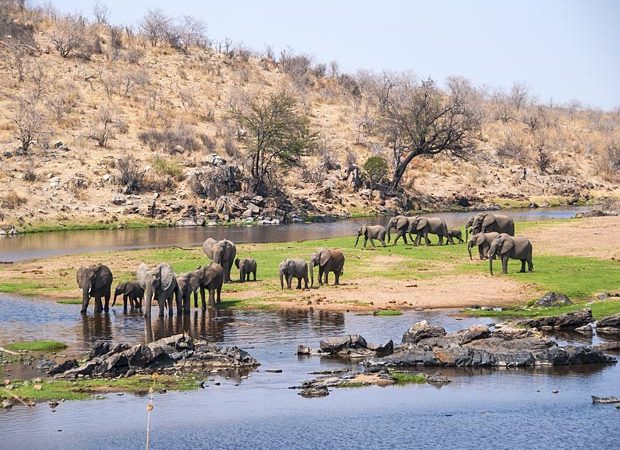
Ruaha National Park
East Africa's largest protected area where massive elephant herds roam free and 10% of the world's lions call home
Ruaha is Tanzania's best-kept secret and its largest national park, stretching across 20,226 square kilometers of raw, untamed wilderness. This …