

Serengeti National Park
Overview
The Serengeti is the very soul of wild Africa - a name that resonates with adventure, freedom, and untamed nature across the entire world. Covering an astounding 14,763 square kilometers, this UNESCO World Heritage Site is not just Tanzania's oldest and most famous national park; it's arguably the greatest wildlife sanctuary on the planet, where the rhythms of life and death play out on an epic scale.
The word "Serengeti" comes from the Maasai language, meaning "endless plains," and standing on the short-grass plains with horizons stretching infinitely in every direction, you understand why. This is landscape on a grand scale - vast golden grasslands dotted with distinctive flat-topped acacia trees, granite outcrops called kopjes rising like islands from the plains, riverine forests, and woodlands creating a mosaic of habitats supporting the greatest concentration of plains game on Earth.
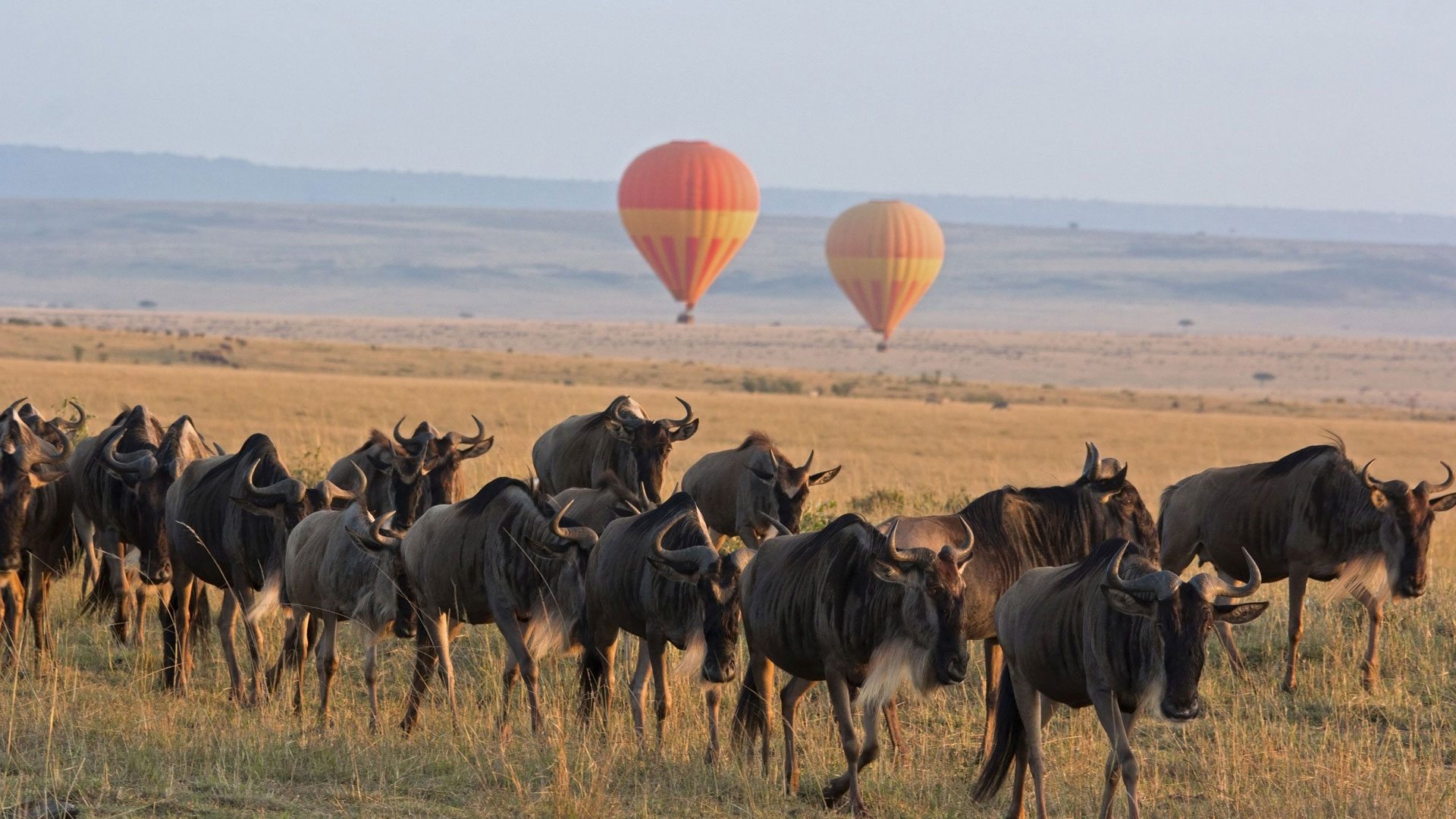
The Serengeti is synonymous with the Great Migration - the annual circular movement of over 1.5 million wildebeest, 400,000 zebras, and 300,000 Thomson's gazelles following the rains in search of fresh grazing. This ancient pilgrimage, driven by survival instinct, creates the planet's most spectacular wildlife phenomenon. The drama of river crossings where herds plunge into crocodile-infested waters, the calving season when half a million wildebeest are born within weeks, and the predators that follow the herds - this is nature's reality show, unscripted and raw.
But the Serengeti's magic extends far beyond the migration. This is home to Africa's greatest concentration of large predators. Over 3,000 lions roam these plains - the largest population anywhere. Cheetahs sprint across open grasslands in pursuit of gazelles. Leopards haunt the rocky kopjes and riverine forests. Spotted hyena clans, numbering in hundreds, are formidable predators in their own right. The predator-prey interactions here are unmatched anywhere on the continent.
The park's diverse regions each offer unique experiences. The Southern Plains (Ndutu area) host the calving season in January-March with predators congregating for easy prey. The Western Corridor sees dramatic Grumeti River crossings in June-July. The Central Seronera area offers year-round excellent wildlife with resident populations. The Northern Serengeti (Kogatende area) witnesses the spectacular Mara River crossings in July-October. The remote Eastern Corridor remains largely unexplored wilderness.
Wildlife diversity is staggering beyond the famous species - massive elephant bulls, endangered black rhinos (though rare), huge buffalo herds, giraffes, hippos, crocodiles, and countless antelope species. Over 500 bird species including ostriches, secretary birds, kori bustards, and spectacular raptors make this a birder's paradise.
The Serengeti's kopjes - ancient granite outcrops scattered across the plains - are mini-ecosystems supporting unique wildlife. Lions survey their territories from these natural lookouts, leopards cache kills in crevices, rock hyrax colonies inhabit the boulders, and agama lizards in breeding colors add splashes of blue and orange to the gray rocks.
The Serengeti ecosystem extends beyond park boundaries into Kenya's Maasai Mara, various game reserves, and conservation areas, making it one of the world's last great wildlife strongholds. The park has been protected since 1951, and much of what we know about African wildlife ecology comes from decades of research here, including the famous Serengeti Lion Project.
Accommodation ranges from ultra-luxury mobile camps following the migration to permanent lodges offering comfort in the wilderness. However you experience it - whether witnessing a river crossing, watching a cheetah hunt at dawn, or simply absorbing the vast horizons under impossibly big skies - the Serengeti delivers on every promise of wild Africa. This is the safari experience against which all others are measured.
Wildlife Highlights
The Great Migration
1.5 million wildebeest, 400,000 zebras, and 300,000 gazelles in constant circular movement - the greatest wildlife spectacle on Earth
Best Time to Visit
Peak Season
June - October
The legendary Mara River crossings occur primarily July-September in northern Serengeti as herds migrate toward Kenya's Maasai Mara. This is the most dramatic period with thousands crossing daily (timing unpredictable). Dry season means excellent overall wildlife viewing throughout the park with animals concentrated around water sources. Central Seronera offers exceptional year-round predator sightings. Clear skies perfect for photography and balloon safaris. This is peak tourist season with highest rates and most crowded conditions, especially at crossing points. Book 6-12 months in advance. Despite crowds, witnessing crossings is bucket-list worthy. Western Corridor (Grumeti crossings) peaks June-July. The dry, comfortable weather makes extended game drives pleasant.
Green Season
January - March, November - December
Southern Serengeti (Ndutu area) explodes with life during calving season (late January-March) when 500,000 wildebeest give birth within 2-3 weeks. This attracts incredible predator concentrations - lions, cheetahs, hyenas feasting on vulnerable calves. Action-packed, dramatic, and less crowded than northern crossings. November-December brings short rains transforming plains into lush grasslands with wildflowers and newborn animals of all species. Spectacular birding with migrants arriving. Dramatically lower rates than peak season. The verdant landscapes with storm clouds create stunning photography. Migration herds spread across southern plains and Ndutu area. Different but equally spectacular to river crossings, with advantage of fewer vehicles and lower costs. Highly recommended for value-seekers and those wanting different migration experience.
Activities & Experiences
Migration Game Drives
Follow the herds through different park regions - witness river crossings, predator hunts, and million-strong gatherings
Hot Air Balloon Safari
Float over the Serengeti at dawn for breathtaking aerial views of wildlife and landscapes, followed by champagne breakfast in the bush
Big Cat Tracking
Specialized safaris focused on finding and photographing lions, cheetahs, and leopards with expert guidesisit ancient granite outcrops to spot lions, leopards, rock hyrax, and enjoy panoramic views across endless plains
Kopje Exploration
Visit ancient granite outcrops to spot lions, leopards, rock hyrax, and enjoy panoramic views across endless plains
Photography Safari
Capture iconic African scenes - predator hunts, migration herds, dramatic skies, and classic acacia sunsets with expert guidance
alking Safaris
Guided bush walks in designated areas and private concessions for ground-level wilderness experience and tracking
Quick Information
Plan Your Visit
Start planning your Serengeti National Park safari adventure with our expert team.
Book Now Contact UsClimate
Share This Destination
Gallery
Experience the beauty of Serengeti National Park through stunning imagery




What to Expect
Essential information to help you prepare for your Serengeti National Park adventure
Wildlife & Scenery
Experience & Lodging
Where to Stay in Serengeti National Park
Experience world-class hospitality at these handpicked luxury properties

Dunia Camp
Eco-Friendly

Serengeti Safari Lodge
Eco-Friendly
Frequently Asked Questions
Common questions about visiting Serengeti National Park
The dramatic Mara River crossings typically occur between July and October, with peak activity usually in August and September. However, the migration is a natural phenomenon without a fixed schedule - timing depends on rainfall patterns and grazing conditions. The herds cross back and forth multiple times, not just once, so sightings are possible throughout this period. Even outside migration season, the Maasai Mara offers exceptional wildlife viewing with resident populations of all major species. For the best chance of witnessing crossings, plan a 4-5 day stay during August-September and choose accommodation near known crossing points like the Mara Triangle or along the main river.
The Serengeti's vastness means choosing the right area is crucial based on timing and interests. Southern Serengeti/Ndutu (December-March): Best for calving season and predators, short grass plains, excellent cheetah sightings. Central Serengeti/Seronera (year-round): Excellent resident wildlife, kopje landscapes, leopards, available when migration is elsewhere. Western Corridor (May-July): Grumeti River crossings, crocodiles, forested areas, fewer tourists. Northern Serengeti/Kogatende (July-October): Mara River crossings, dramatic landscapes, peak migration season. Moving between areas is possible but involves long drives (3-5 hours) or short flights. Best strategy: Choose one area matching your visit timing and spend 3-4 nights there, or split stay between two areas (e.g., 3 nights central + 3 nights north) with flight transfer. Mobile camps following migration offer flexibility. Don't try covering everything in short visit - better to experience one area properly.
Minimum 3-4 nights to appreciate the Serengeti's scale and diversity, though 5-7 nights is ideal for comprehensive experience. With 3-4 nights in the right area at right time, expect: multiple Big Five sightings (lions almost guaranteed, leopards likely on kopjes, elephants and buffalo common, rhinos very rare), large herds of plains game, good predator-prey interactions, spectacular landscapes, and if timed right, migration encounters. With 5-7 nights across two areas, add: witnessing different ecosystems and wildlife behaviors, higher chances of dramatic moments like hunts or kills, possible river crossing attempts during migration season, more relaxed pace with sundowners and leisure time, and better photographic opportunities. The Serengeti rewards time - rushing through misses the magic. Wildlife sightings are excellent but never guaranteed (it's wilderness, not a zoo). First-time visitors are often overwhelmed by sheer abundance. Realistic expectations: incredible wildlife and landscapes guaranteed; specific dramatic moments like river crossings or kills are privileged bonuses, not guarantees.
You Might Also Like
Explore other amazing destinations in Tanzania
Ruaha National Park
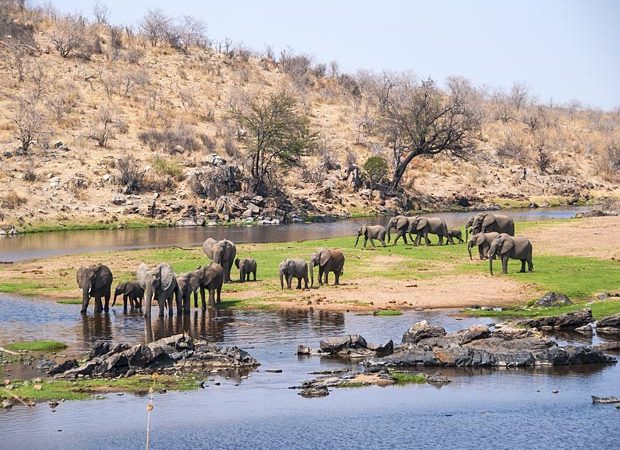
East Africa's largest protected area where massive elephant herds roam free and 10% of the world's lions call home
Ruaha is Tanzania's best-kept secret and its largest national park, stretching across 20,226 square kilometers of raw, untamed wilderness. This …

Zanzibar Island
Where turquoise waters meet ancient Stone Town, and pristine beaches blend with centuries of Swahili culture
Zanzibar isn't just a beach destination - it's a place where history comes alive. The main island, Unguja, stretches 85 …

Mount Kilimanjaro National Park
Conquer Africa's highest peak - a snow-capped giant rising majestically above the plains, where every step takes you through five distinct climate zones to stand at 5,895 meters
Mount Kilimanjaro is not just Africa's highest mountain but one of the world's most iconic peaks - a free-standing volcano …