

Samburu National Reserve
Overview
Samburu National Reserve is Kenya's jewel of the north - a 165 square kilometer wilderness that offers something completely different from the country's southern parks. This is a land of stark, rugged beauty where semi-arid landscapes, dramatic rock formations, and the life-giving Ewaso Ng'iro River create one of Africa's most distinctive safari destinations.
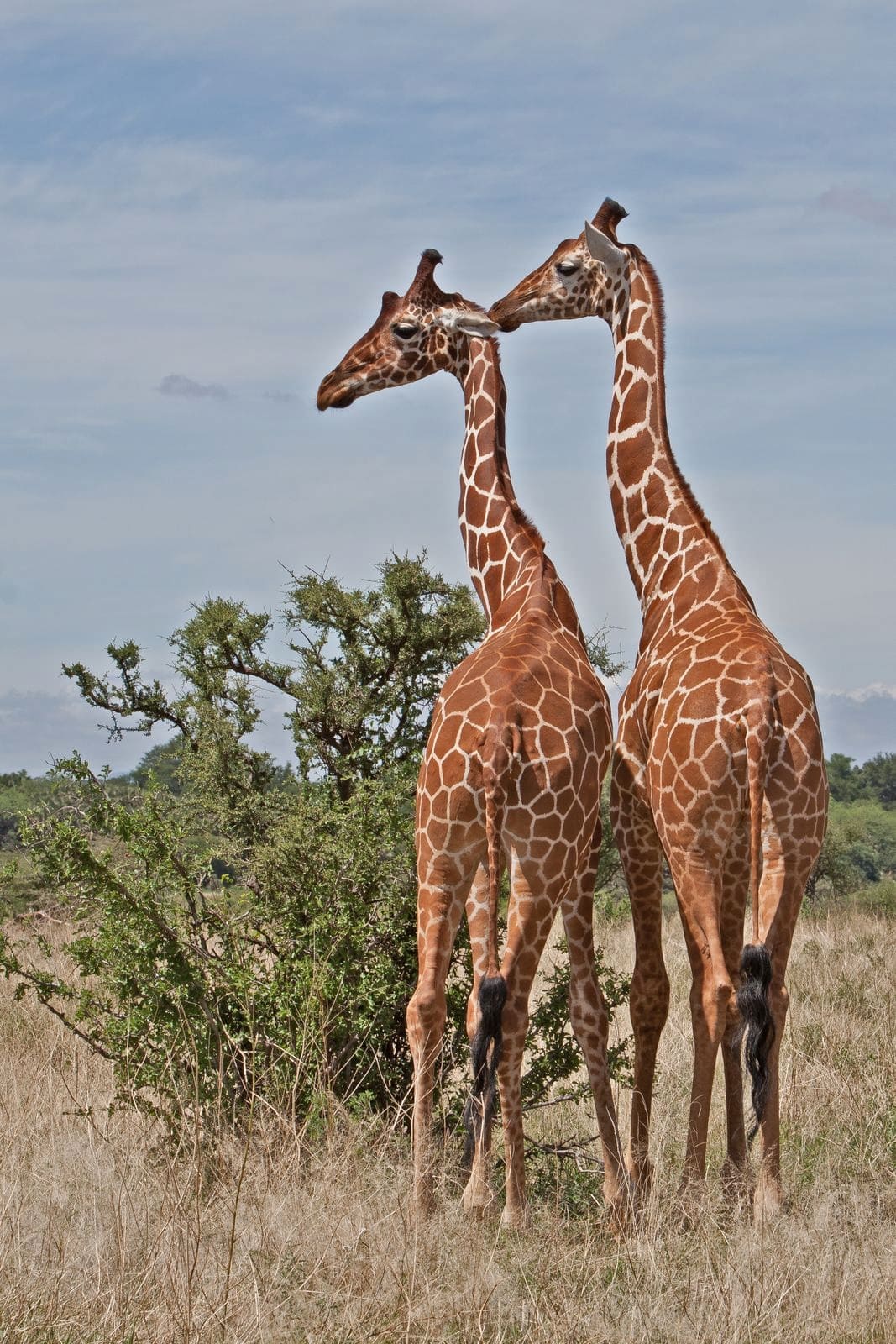
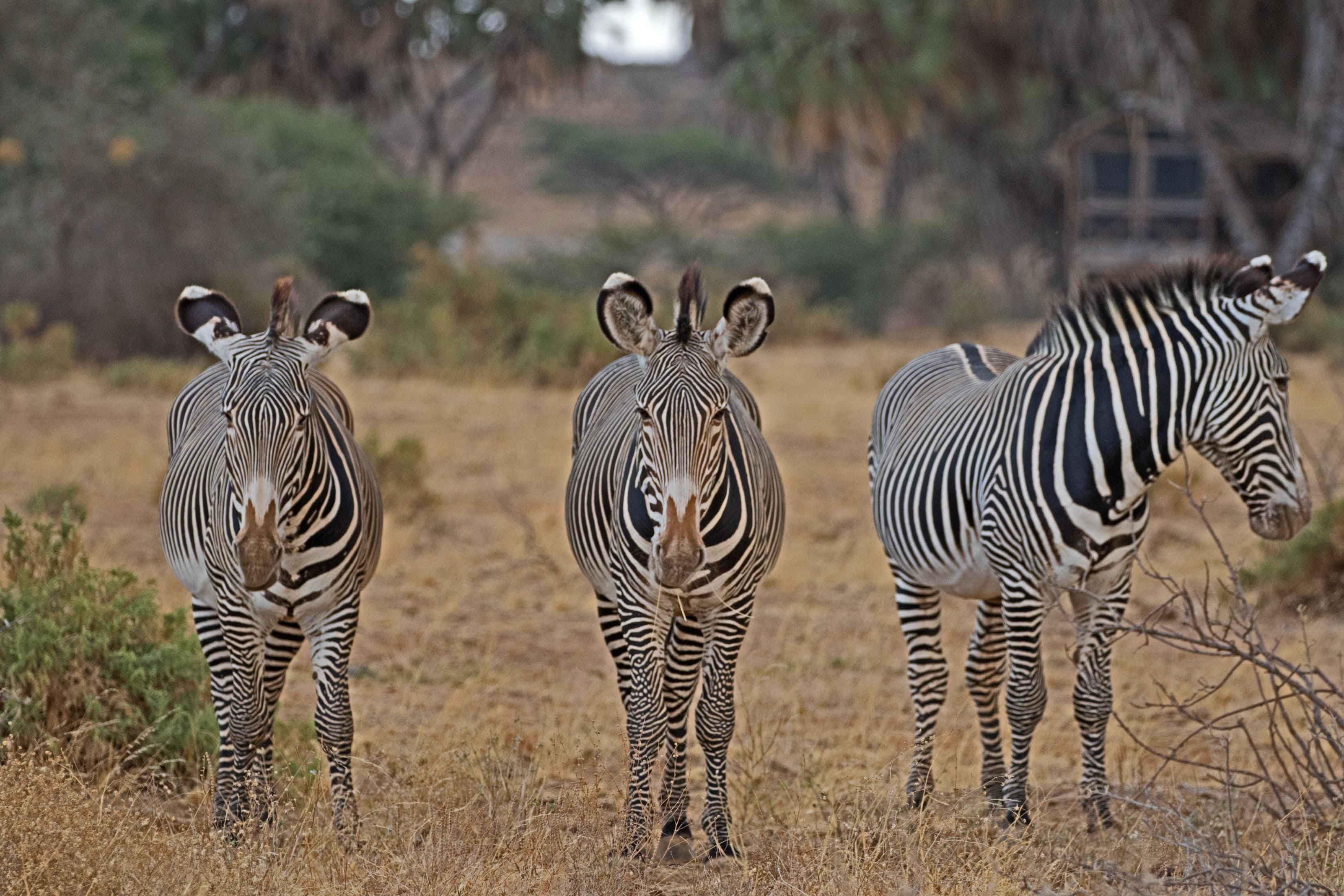
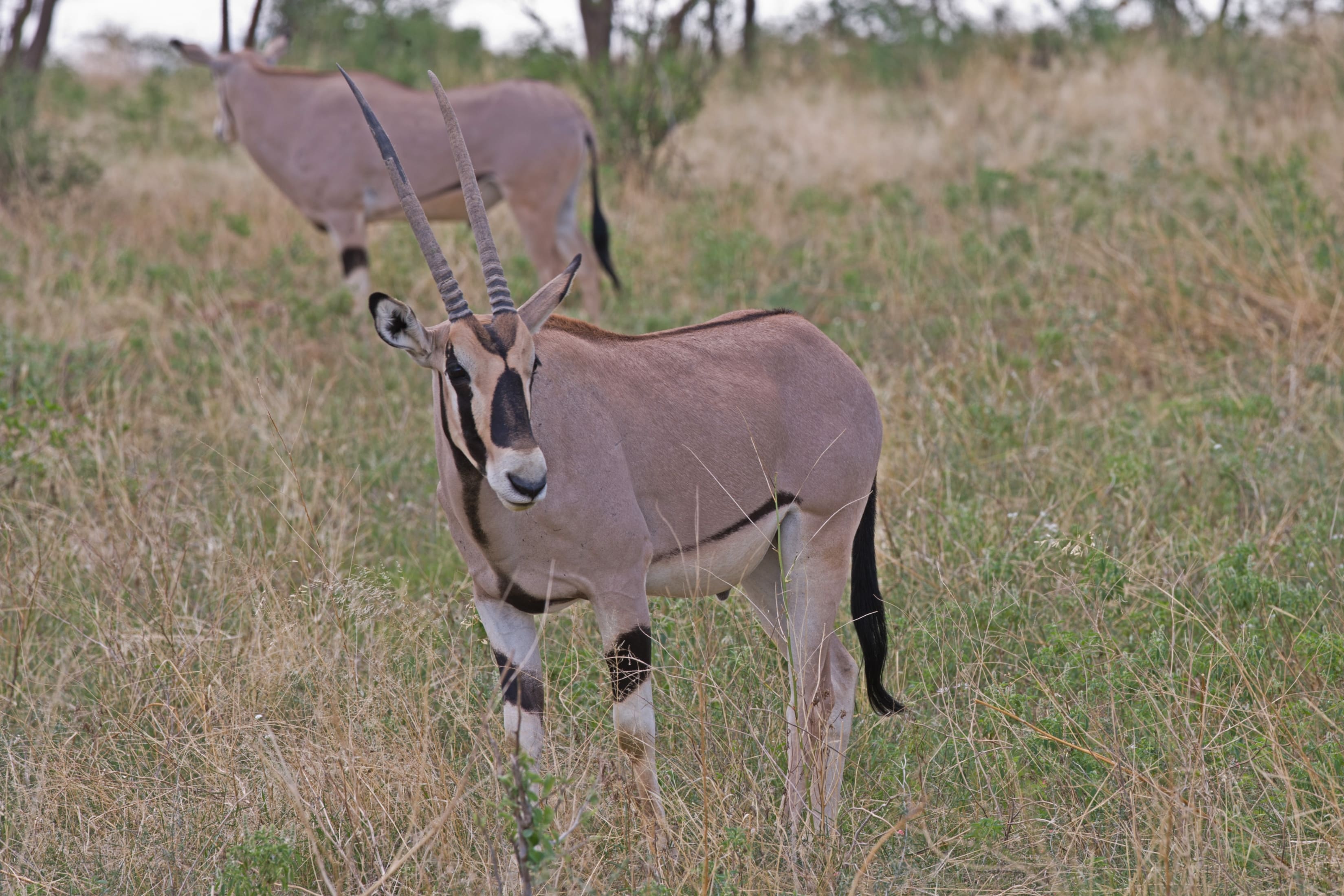
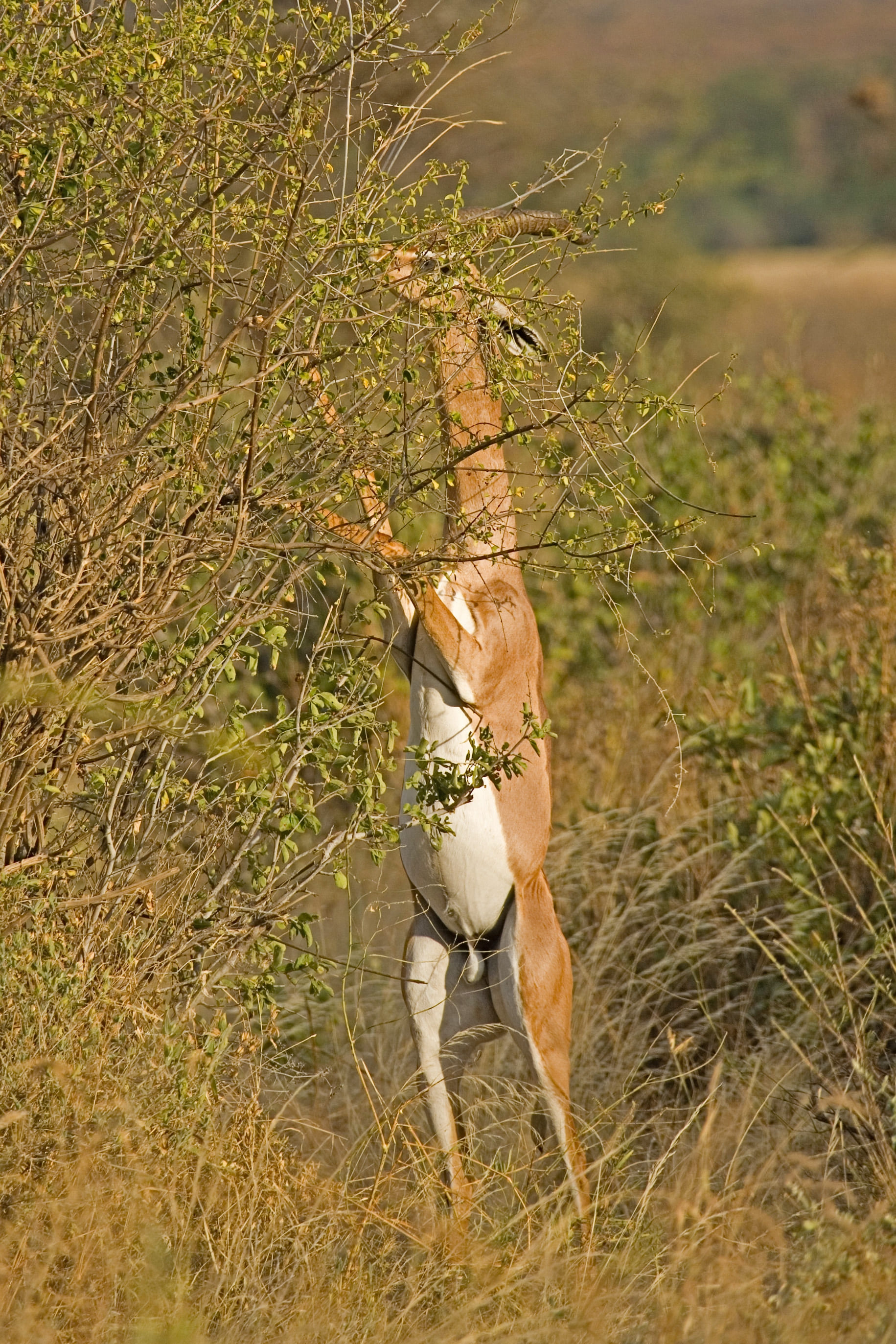
What makes Samburu truly special is its unique wildlife - the "Samburu Special Five" found nowhere else in Kenya. The elegant reticulated giraffe with its geometric coat patterns, the rare Grevy's zebra with narrow stripes and large ears, the gerenuk antelope that stands on hind legs to browse high branches, the Beisa oryx with magnificent straight horns, and the Somali ostrich with its blue-gray neck and legs. Seeing these specially adapted northern species is like visiting a different Africa altogether.
The Ewaso Ng'iro River, meaning "River of Brown Water" in the local Samburu language, is the reserve's lifeblood. This permanent river creates a ribbon of lush riverine forest with doum palms and acacia trees that contrasts dramatically with the surrounding arid thornbush and volcanic rock. Wildlife congregates along its banks, making game viewing exceptionally productive. Crocodiles bask on sandbanks, elephants wade through shallows, and countless species come to drink, especially during dry seasons.
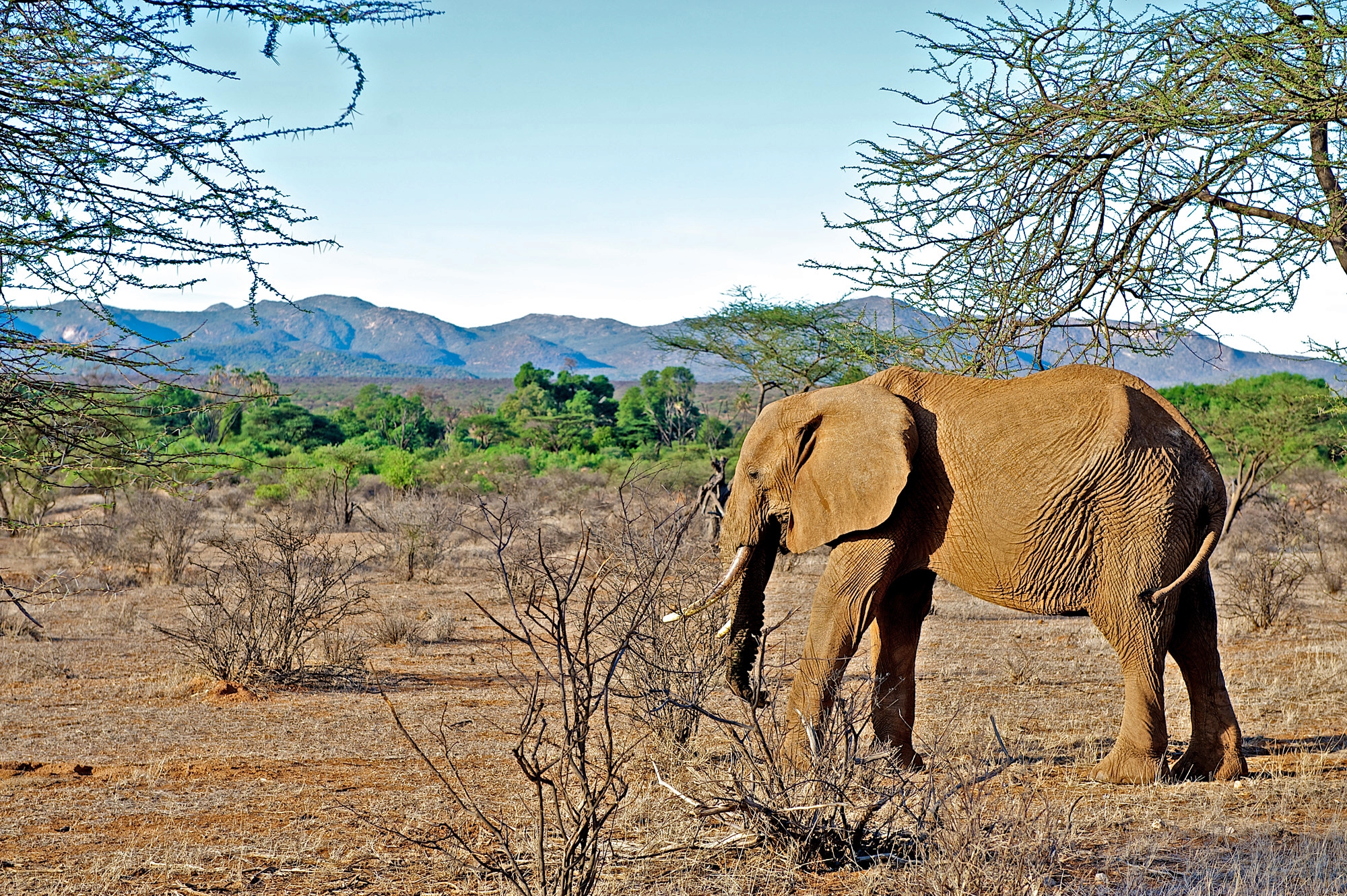
Samburu's elephant population is particularly special. The reserve gained international attention through the work of conservationist Iain Douglas-Hamilton and the Save the Elephants research project based here. Many elephants are individually known and named, and their relaxed behavior around vehicles makes for intimate encounters. The reserve also protects significant populations of leopards - some lodges have resident leopards that regularly patrol territories near camp, offering exceptional viewing opportunities.
The landscape is dramatically different from classic savannah - red volcanic soil, rocky outcrops, scattered thornbush, and those distinctive doum palms create scenery that's uniquely beautiful. The surrounding mountains, including the sacred Ololokwe mountain revered by the Samburu people, provide a dramatic backdrop. Light in Samburu is special - the arid air creates incredible clarity perfect for photography.
The reserve is part of a larger ecosystem including neighboring Buffalo Springs National Reserve and Shaba National Reserve. Together, they protect a vital northern wilderness. The area is also home to the Samburu people, proud pastoralists related to the Maasai but with distinct culture, dress, and traditions. Cultural visits to authentic Samburu villages add profound depth to your safari experience.
Wildlife viewing in Samburu is excellent year-round, though the reserve sees far fewer visitors than places like the Maasai Mara, creating a more exclusive, intimate safari atmosphere. The combination of unique wildlife species, dramatic scenery, cultural richness, and excellent lodges makes Samburu one of Kenya's most rewarding destinations for those seeking something beyond the typical safari circuit.
Wildlife Highlights
Samburu Special Five
Unique northern species found nowhere else in Kenya - reticulated giraffe, Grevy's zebra, gerenuk, Beisa oryx, and Somali ostrich
Relaxed Elephant Herds
Large elephant population habituated through conservation research - incredibly close encounters with named, known individuals
River Wildlife
Hippos, massive Nile crocodiles, monitor lizards, and constant wildlife activity along the Ewaso Ng'iro River banks
Rich Birdlife
Over 450 species including vulturine guineafowl, martial eagles, pygmy falcons, kingfishers, and colorful bee-eaters
Best Time to Visit
Peak Season
June - October, December - February
Dry seasons bring animals in high concentrations to the Ewaso Ng'iro River making wildlife viewing exceptional. Elephants congregate along riverbanks, predators patrol water sources, and the Samburu Special Five are easily spotted. Clear skies perfect for photography with dramatic lighting and mountain backdrops. Vegetation is thinner improving visibility. River crossings by elephants are frequent and spectacular. This is ideal for first-time visitors wanting reliable wildlife encounters. Hot temperatures but manageable with early morning and late afternoon drives. Book accommodation well in advance during peak periods.
Green Season
March - May, November
Rains transform the arid landscape into surprising greenness with wildflowers blooming and newborn animals everywhere. Migratory birds arrive adding to the already impressive 450+ species. Wildlife more dispersed but resident populations remain visible, especially near the permanent river. Dramatically lower accommodation rates and very few tourists create intimate, exclusive experiences. Afternoon storms create spectacular skies and rainbows over the mountains. The contrast between wet season greenery and dry season starkness offers different photographic opportunities. Roads remain accessible. Excellent value period for budget-conscious travelers.
Activities & Experiences
Game Drives
Morning, afternoon, and full-day drives along the river and through diverse habitats with excellent sightings of unique northern species
Samburu Cultural Visits
Visit authentic Samburu villages to experience traditional dances, learn about warrior culture, beadwork, and unique pastoralist lifestyle
River Walks & Sundowners
Guided walks along the Ewaso Ng'iro River banks and sunset drinks overlooking the water with mountain views
Leopard Tracking
Specialized safaris focused on finding resident leopards that frequently patrol territories near certain lodges
Bird Watching
Exceptional birding diversity from riverine species to dry-country specialists with over 450 recorded species
Camel Safaris
Experience the landscape like the Samburu people do - ride camels through the bush for a unique perspective
Quick Information
Plan Your Visit
Start planning your Samburu National Reserve safari adventure with our expert team.
Book Now Contact UsClimate
Share This Destination
Gallery
Experience the beauty of Samburu National Reserve through stunning imagery
What to Expect
Essential information to help you prepare for your Samburu National Reserve adventure
Wildlife & Culture
Adventure & Relaxation
Frequently Asked Questions
Common questions about visiting Samburu National Reserve
Samburu and Maasai Mara offer completely different but equally rewarding safari experiences. The Mara is famous for the Great Migration, higher overall wildlife density, open plains, and classic savannah scenery - it's Kenya's premier mass-market destination. Samburu offers unique northern species you can't see elsewhere, more exclusive and intimate atmosphere with far fewer tourists, dramatic arid landscapes, excellent big cat sightings (especially leopards), and rich cultural interactions with Samburu people. The Mara has more accommodation options and infrastructure; Samburu feels more remote and adventurous. Wildlife viewing quality is excellent in both but different - Mara for sheer numbers and migration spectacle, Samburu for rare species and exclusivity. Many discerning travelers prefer Samburu precisely because it's less crowded and offers something unique. Ideally, visit both - they complement each other perfectly in a comprehensive Kenya safari combining north and south.
Samburu is excellent for both families and first-timers, though with some considerations. For families: many lodges welcome children with family tents, swimming pools (essential in the heat), and child-friendly activities. The unique animals captivate kids - spotting the Special Five becomes an exciting treasure hunt. Cultural visits are educational and engaging. The reserve is malaria-present, so prophylaxis is important. Game drives can be hot - early morning drives are best for children. For first-timers: Samburu offers authentic African safari experience without overwhelming crowds. Wildlife viewing is productive and rewarding. The unique species make it exciting even if you later visit other parks. Lodges provide excellent service and guidance. The main consideration is accessibility - it's more remote than Maasai Mara or Amboseli, requiring either longer drive or flight. For comprehensive first Kenya safari, combine Samburu with one southern park (Mara or Amboseli) to experience both ecosystems. The dramatic scenery and cultural richness make Samburu memorable for all ages and experience levels.
The Samburu Special Five are five rare animal species found in northern Kenya but not in the country's southern parks, making Samburu essential for wildlife enthusiasts seeking complete Kenya experience. They are: Reticulated Giraffe - distinguished by geometric coat pattern with sharp brown lines separated by bright white; Grevy's Zebra - largest and most endangered zebra species with narrow stripes, large rounded ears, and white belly; Gerenuk - unusual "giraffe-necked" antelope that stands on hind legs to browse high branches; Beisa Oryx - striking antelope with long straight horns and distinctive facial markings; Somali Ostrich - has blue-gray neck and legs (versus the pink of common ostriches). These species are adapted to arid northern conditions and represent a completely different fauna from southern Kenya. Seeing all five is highly likely in a 2-3 day visit, making Samburu a must for serious wildlife watchers.
Yes, Samburu is exceptional for leopard sightings, rivaling or exceeding famous leopard destinations. Several factors contribute: healthy leopard population, habitats including riverine forest and rocky outcrops they favor, and importantly, individual leopards around certain lodges have become habituated to vehicles over years. Lodges like Elephant Bedroom Camp and Samburu Intrepids have resident leopards that regularly patrol territories near camp, sometimes even walking through grounds. These individuals are often named and known to guides who understand their movements and favorite hunting areas. It's not uncommon to see leopards multiple times during a 2-3 night stay, including daytime sightings which are rare elsewhere. Early morning and late afternoon drives along the river produce excellent results. While sightings are never guaranteed with these elusive cats, your chances in Samburu are significantly higher than most African destinations. Guides' knowledge and radio communication networks between lodges also help locate leopards quickly.
You Might Also Like
Explore other amazing destinations in Kenya

Ol Pejeta Conservancy
Home to the last two northern white rhinos on Earth and East Africa's largest black rhino sanctuary
Ol Pejeta isn't your typical safari destination - it's where conservation science meets real-world action on 90,000 acres of protected …

Maasai Mara National Reserve
Experience the legendary Great Migration, encounter the Big Five, and immerse yourself in Africa's most iconic safari destination where endless golden plains meet dramatic skies
The Maasai Mara is the crown jewel of African safaris - a place where dreams of wild Africa come alive …

Diani Beach
White powder sands, turquoise waters, and endless adventures on Africa's leading beach destination
Diani Beach stretches for 25 kilometers along Kenya's stunning south coast, consistently voted as Africa's best beach destination. The pristine …